It Starts Before You Shop
Most people approach a room the wrong way. They find a sofa they love, buy it, and then try to build everything else around it. That approach leads to spaces that feel disjointed — rooms full of beautiful individual pieces that never quite speak to each other.
Layering is different. It starts with a feeling, not a piece of furniture. Before I select a single item for a client, I spend time asking: how should this room feel at 7am? At 10pm? On a Sunday morning when no one is rushing anywhere?
The Foundation Layer
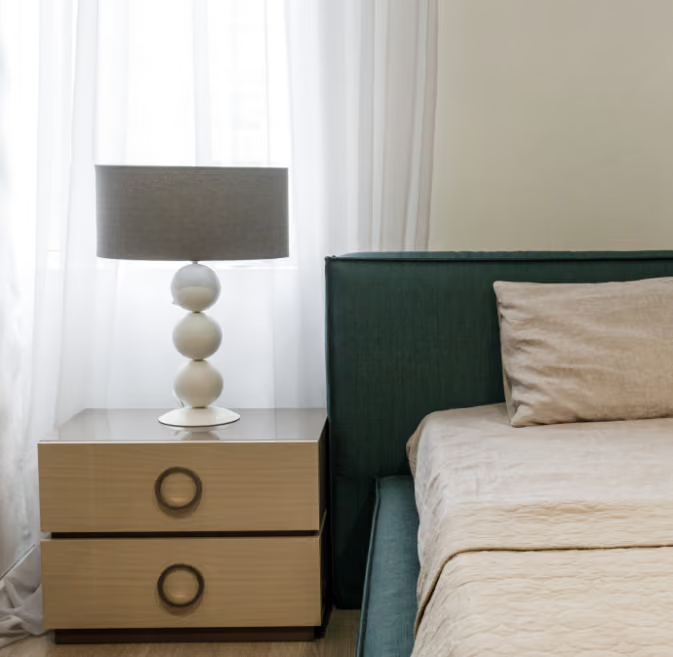
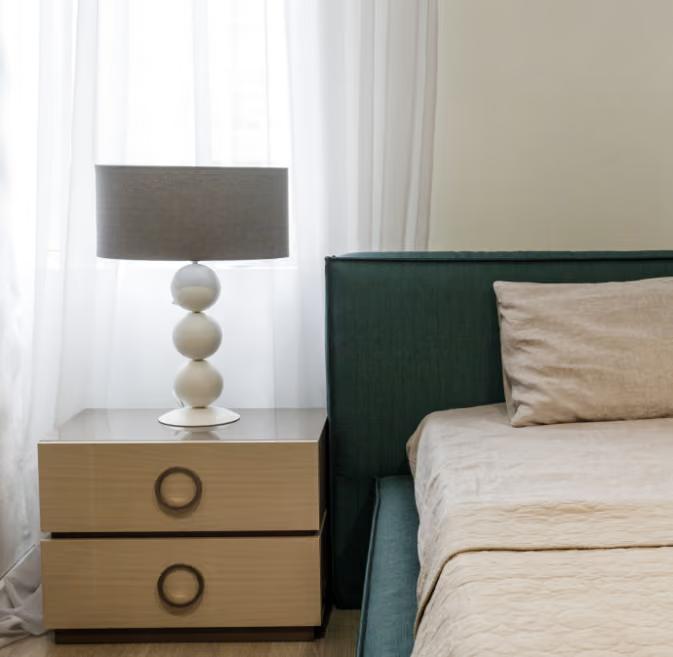
Every well-layered room begins with what I call the foundation layer — the large, anchoring elements that set the tone. This is your sofa, your rug, your primary light source. These pieces do not need to be the most exciting things in the room. In fact, the quieter they are, the more room they give everything else to breathe.
Lorem ipsum dolor sit amet, consectetur adipiscing elit. Sed do eiusmod tempor incididunt ut labore et dolore magna aliqua. Ut enim ad minim veniam, quis nostrud exercitation ullamco laboris nisi ut aliquip ex ea commodo consequat. Duis aute irure dolor in reprehenderit in voluptate velit esse cillum dolore eu fugiat nulla pariatur.
The Mid Layer: Where Personality Lives
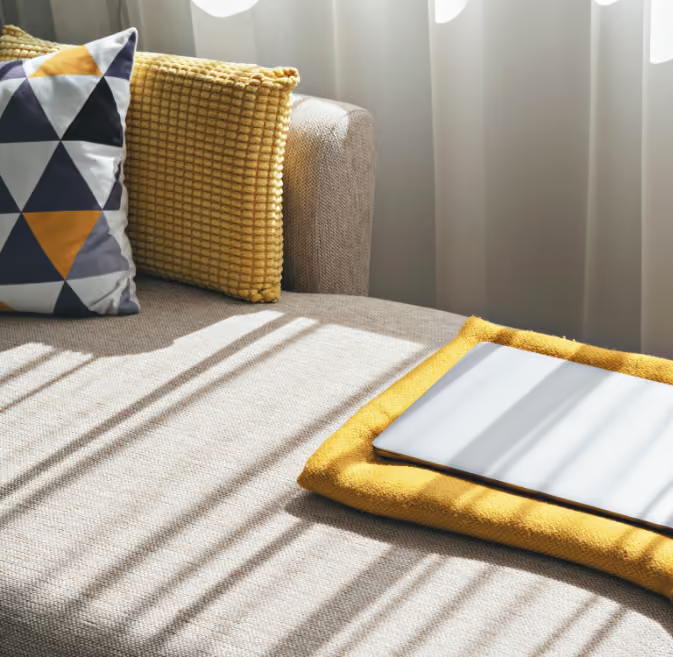
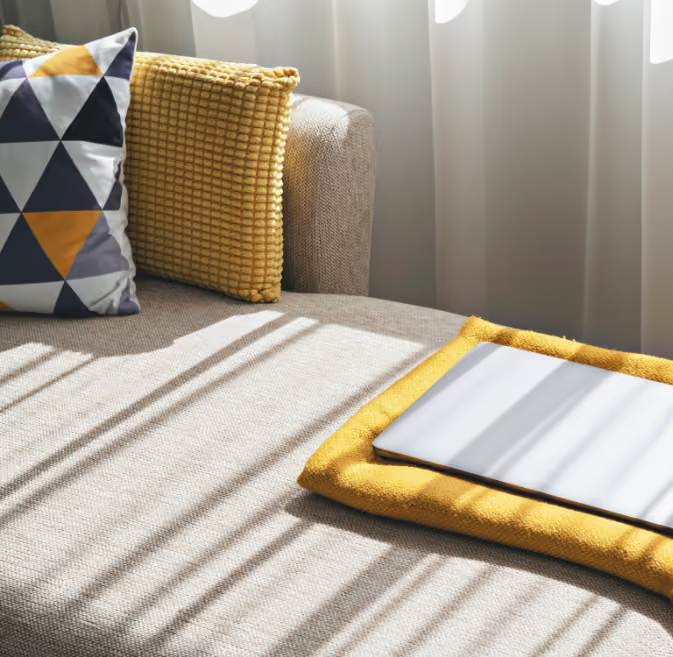
This is where the room starts to feel like someone actually lives in it. Side tables, accent chairs, throw pillows, plants. These are the pieces that hold the stories — the vintage find from a weekend market, the chair you reupholstered in a fabric that made no logical sense but felt completely right.
Consectetur adipiscing elit, sed do eiusmod tempor incididunt ut labore et dolore magna aliqua. Excepteur sint occaecat cupidatat non proident, sunt in culpa qui officia deserunt mollit anim id est laborum. Sed ut perspiciatis unde omnis iste natus error sit voluptatem accusantium doloremque laudantium.
The Top Layer: The Finishing Details
Art. Objects. Books. Candles. The things you place on a surface, not because a stylist told you to, but because they mean something. This layer is the hardest to teach because it is the most personal — and it is also the most forgiving. You can rearrange it, swap it out, and evolve it over time without touching anything structural.
At vero eos et accusamus et iusto odio dignissimos ducimus qui blanditiis praesentium voluptatum deleniti atque corrupti quos dolores et quas molestias excepturi sint occaecati cupiditate non provident.
The Rule I Always Come Back To
When a room feels off and I cannot immediately identify why, I look at the layering. Nine times out of ten, one of three things is missing: warmth in the textiles, variation in the heights of objects, or something organic — a plant, a stone, a piece of wood that has not been perfectly finished.
The goal is never perfection. The goal is a room that feels like it has been lived in thoughtfully over time, even if it was designed in four weeks.